
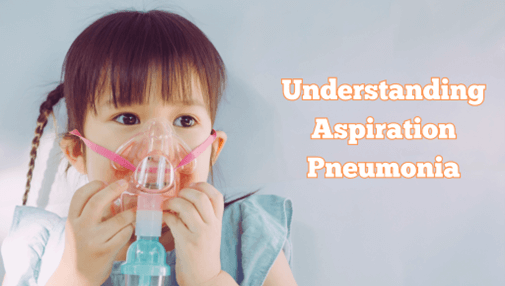
Aspiration pneumonia is a dangerous illness that happens when food, drink, saliva, or vomit is breathed into the lungs and causes infection. This issue is especially concerning for people who have difficulties swallowing, such as those with neurological impairments, the elderly, or those recovering from certain surgery. Understanding the symptoms of aspiration pneumonia and potential therapies, such as speech therapy to aid swallowing, is critical for properly preventing and managing this condition.
What is the definition of aspiration pneumonia?
Aspiration pneumonia is an infection caused by foreign objects being inhaled into the lungs. Unlike pneumonitis, which is inflammation produced by inhaling irritants such as chemicals or smoke, aspiration pneumonia is caused by a bacterial infection from inhaled materials. These bacteria can cause inflammation, infection, and, if left untreated, serious respiratory issues.
Signs of Aspiration Pneumonia:
Early detection of aspiration pneumonia can lead to better treatment outcomes. Some of the most common symptoms are:
- Coughing: Prolonged coughing, often after eating or drinking.
- Breathing difficulties include shortness of breath, wheezing, or fast breathing.
- Chest pain refers to discomfort or pain in the chest area.
- A fever is an elevated body temperature that indicates an infection.
- Fatigue refers to unusual exhaustion or lack of energy.
- Cyanosis, or a bluish tint to the skin, most commonly around the lips and fingertips, is caused by a lack of oxygen.
If you or a loved one experiences these symptoms, seek medical attention right once to begin the proper treatment of aspiration pneumonia.
Treatment for Aspiration Pneumonia
Antibiotics are commonly used to treat aspiration pneumonia. In more severe cases, hospitalization may be necessary to administer intravenous antibiotics and other supportive care, such as oxygen therapy or mechanical ventilation.
In addition to medical treatment, determining the underlying cause of aspiration is critical. This frequently includes swallowing therapy and efforts to avoid recurrent incidents.
Speech Therapy to Improve Swallowing
One of the most effective strategies to prevent aspiration pneumonia is to use speech therapy to help with swallowing. Speech-language pathologists (SLPs) are trained to diagnose and treat swallowing issues such as dysphagia. They employ a number of procedures and exercises to strengthen the muscles involved in swallowing and enhance coordination.
Swallowing Therapy Techniques:
- Exercises: Specific exercises for strengthening the muscles of the mouth and throat.
- stance: Techniques for improving posture and stance during eating and drinking, allowing for safer swallowing.
- Diet Modifications: Changes to the consistency of meals and beverages to make them easier and safer to swallow.
- Swallowing Strategies: To lessen the danger of aspiration, teach strategies such as the chin-tuck and double-swallow.
Conclusion
Aspiration pneumonia is a dangerous illness that necessitates immediate medical care and thorough treatment. Understanding the symptoms of aspiration pneumonia and the need of speech therapy for swallowing can help prevent this illness. Individuals at risk can dramatically lower their chances of acquiring aspiration pneumonia and enhance their overall quality of life by implementing swallowing therapy procedures and consulting with healthcare specialists.
If you or someone you care about is having trouble swallowing or has been diagnosed with aspiration pneumonia, contact a healthcare practitioner or a speech-language pathologist for an evaluation and treatment plan. Early intervention can make a significant difference in how well this illness is managed.